
Muscle relaxant injections
Reducing muscle overactivity
Muscle relaxant injections may be considered when assessment identifies excessive activity in specific chewing muscles, particularly where bruxism, clenching, muscle guarding or overuse is placing load on the jaw joints, teeth or surrounding muscles.
These injections are used selectively, and only where assessment indicates that muscle overactivity is a significant contributing factor.
What this treatment is
Targeting muscle overactivity when it is contributing to symptoms
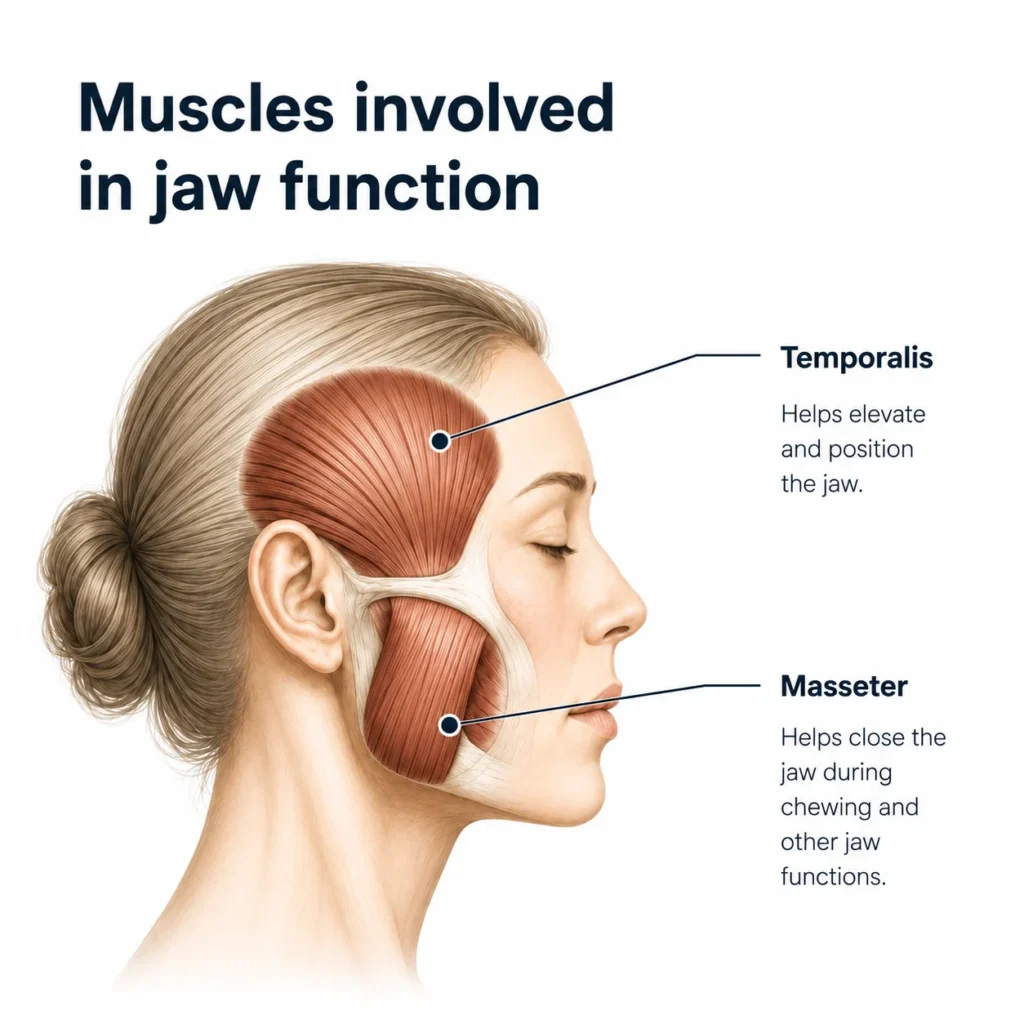
Muscle relaxant injections (botulinum toxin) are used to reduce activity in specific muscles involved in jaw function. They do not change the structure of the jaw, joints, or teeth. Instead, they influence how strongly certain muscles contract and how load is distributed across the jaw system.
Injections work by reducing the signal between the nerve and the muscle, which temporarily reduces the muscle’s ability to contract with full force. In addition to their effect on muscle contraction, these injections may also influence how pain is processed locally by blocking pain signals providing a temporary pain relieving effect.
The effect is localised to the treated muscles and is carefully controlled to preserve normal function. The results wear off after a few months as the nerve signals return.
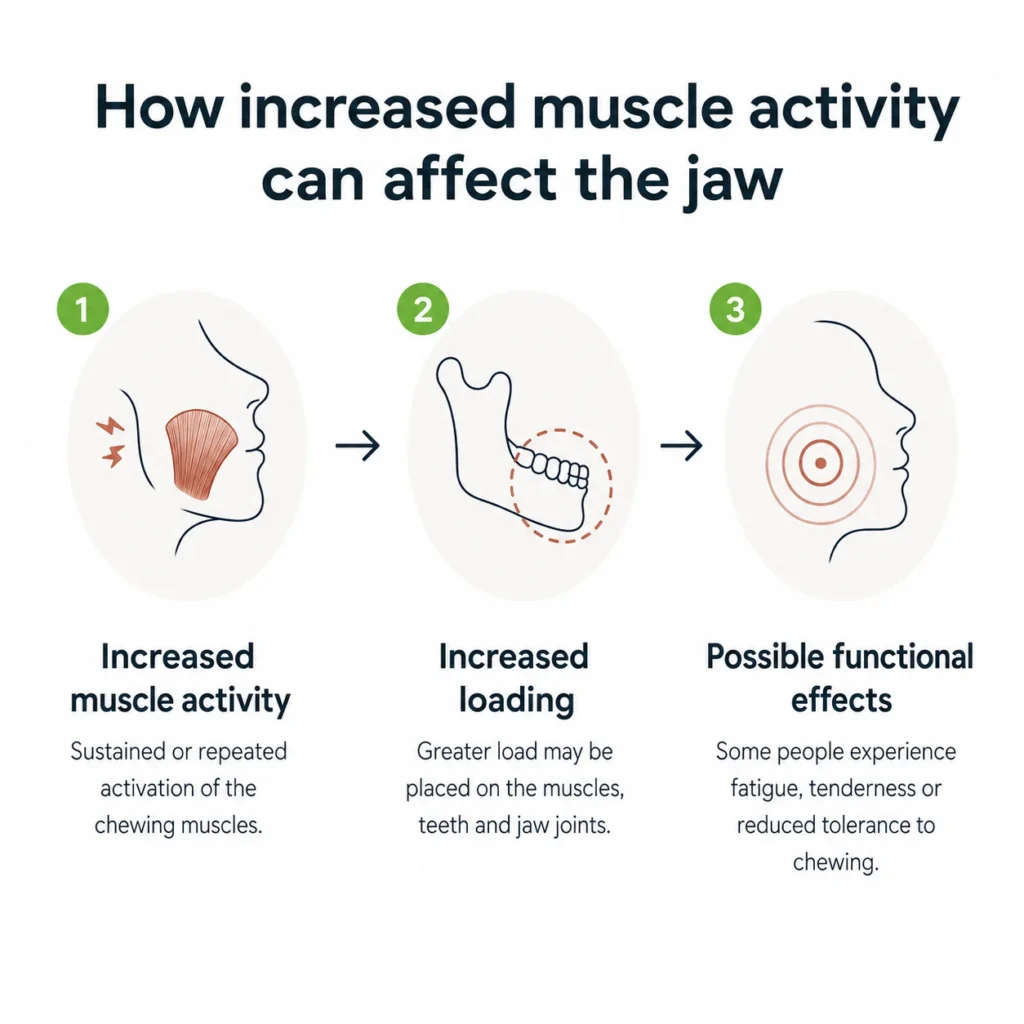
This may help:
- reduce excessive muscle activity
- decrease the load placed on joints and surrounding tissues
- allow overactive muscles to settle
- reduce muscle fatigue and tenderness and improve tolerance to everyday function
The goal is not to stop the muscles from working, but to reduce overload and allow the system to function with less strain.
You may notice:
- reduced muscle tightness or tension
- less fatigue when talking or chewing
- decreased clenching intensity
- improved comfort in the jaw or surrounding areas
The effect builds gradually over 1–2 weeks as muscle activity reduces.
Why it may be used
Considered when muscle overactivity is contributing to symptoms
Not all jaw symptoms are driven by muscle overactivity. Injections are only considered when assessment identifies muscle patterns that are contributing to strain on the jaw system.
This approach is more commonly considered when muscle-related symptoms are persistent, or when other conservative treatments have not been sufficient on their own.
It is not typically used as a first-line treatment and is introduced only when appropriate based on assessment findings.
“Injections are considered only when increased muscle activity is clearly contributing to symptoms.”
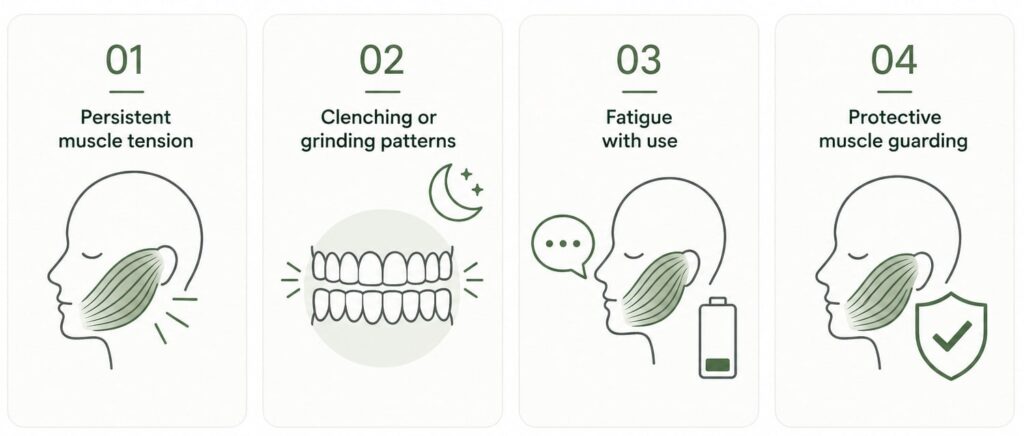
01
Persistent muscle tension - Ongoing tightness in the chewing muscles affecting comfort or movement
02
Clenching or grinding patterns - Increased muscle activity during rest or sleep that places repeated load on the system
03
Fatigue with use - Muscles becoming overloaded during talking, chewing, or sustained activity
04
Protective muscle guarding - Muscles compensating in response to joint or functional changes
Tailored use
Not all patients require this approach
Considerations include:
Muscle selection
Dose and placement
Timing within care
Integration with other care

In some cases, reducing muscle overactivity may allow other treatments to become more effective.
This is not a cosmetic treatment and is used only for clinical indications related to jaw function.
Duration and review
How long treatment lasts and how it is reviewed
- symptom response
- functional improvement
- underlying contributing factors
Part of a broader plan
Integrated within comprehensive care
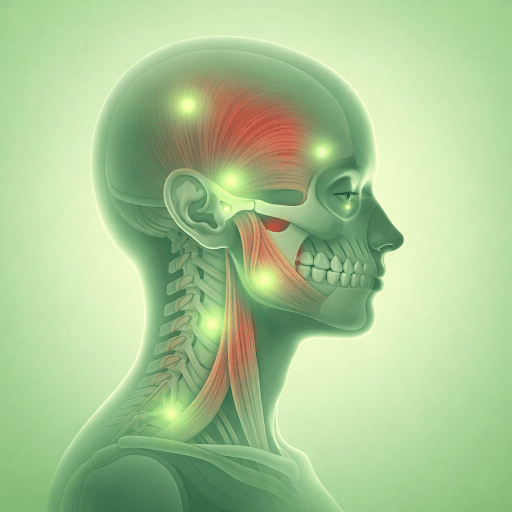
Considering the whole system
Jaw joint mechanics
Posture and movement patterns
Breathing and sleep factors
Habits such as clenching or grinding
When It May Help
When muscle activity is a clear contributor
muscle tension is persistent or difficult to reduce
clenching or grinding patterns are contributing
muscle fatigue affects daily function
other approaches have not sufficiently reduced muscle-related strain
In some cases, reducing muscle overactivity may help decrease strain, improve comfort, or allow other treatments to be more effective. Assessment determines whether injections are appropriate and how they may fit into care.
Treatment Options
Learn about TMJ treatment approaches
Our approach to TMJ care
Whole-body care guided by diagnosis
TMJ symptoms rarely come from the jaw alone. They can involve joint mechanics, muscle tension, bite function, posture, breathing, and sleep. At TMJ Centre Melbourne, care begins with understanding why symptoms are occurring. Treatment decisions follow diagnosis, not symptom labels. Care plans are personalised and often combine approaches, with progress reviewed and adjusted over time.
Diagnosis first
Whole-body assessment
Multidisciplinary care
Staged treatment
Evidence-Informed Care
We use recognised diagnostic frameworks and current literature to help guide assessment and treatment planning where relevant.