
About TMJ Centre Melbourne
Meet the clinical team
TMJ Centre Melbourne is a focused clinic for temporomandibular disorders, jaw pain, facial pain, headaches, clenching, grinding and related neck or sleep concerns.
With over 50 years of combined clinical experience, our dental and musculoskeletal team works within a conservative, diagnosis-led model of care.
We assess which structures are painful, how the jaw system is functioning, and what factors may be contributing to overload, so treatment can be guided by clinical findings rather than a one-size-fits-all approach.
Focused care for TMJ and jaw pain
A team focused on diagnosis-led care

Dr Nikita Gosrani focuses on temporomandibular disorders, jaw pain, facial pain, clenching and grinding, bite-related strain, headaches and sleep-related jaw concerns.
Her approach is conservative and diagnosis-led, combining evidence-informed TMJ care with an understanding of jaw function, muscle load, breathing, sleep, stress, pain mechanisms and lifestyle factors. She is currently completing postgraduate Master’s training in Pain Management through the University of Sydney, with a focus on chronic and orofacial pain.
Areas of focus
- Temporomandibular disorders and jaw pain
- Orofacial pain and jaw-related headaches
- Orthotics and splint therapy
- Clenching, grinding and muscle overload
- Bite-related strain and jaw function
- Sleep and airway-related jaw concerns

Dr Meetal Shah focuses on TMD, jaw joint dysfunction, facial pain, jaw-related headaches, clenching and grinding, and sleep or airway-related jaw concerns.
With postgraduate training in sleep medicine, he brings an understanding of how sleep quality, breathing, airway factors and jaw function may interact in selected patients. His approach is conservative and diagnosis-led, with treatment guided by jaw joint, muscle and broader functional findings.
Areas of focus
- Temporomandibular disorders and jaw joint dysfunction
- Facial pain and jaw-related headaches
- Clenching, grinding and muscle overload
- Orthotic and splint therapy
- Sleep and airway-related jaw concerns
- Multidisciplinary treatment planning

Dr Jonathan Lubetzky focuses on musculoskeletal and neuromuscular factors that may contribute to jaw-related symptoms, including neck function, muscle tension, posture, movement patterns and referred pain. Within TMJ care, he assesses how the jaw, neck, head and surrounding muscles may be interacting. His approach is gentle, conservative and collaborative, supporting diagnosis-led care where broader musculoskeletal or neuromuscular factors appear relevant.
Areas of focus
- Neck and musculoskeletal influences on TMD symptoms
- Muscle tension and jaw-related pain
- Referred pain patterns involving the jaw, face and head
- Jaw-neck coordination and movement patterns
- Posture, breathing and functional load
- Collaborative TMJ care
Qualifications and training
Clinical qualifications and ongoing education
The clinical team at TMJ Centre Melbourne has completed postgraduate education and ongoing training in areas related to temporomandibular disorders, orofacial pain, sleep medicine, and musculoskeletal care.
Qualifications and professional backgrounds include:
- Dental qualifications from Cardiff University and Manchester University
- Masters-level postgraduate training in Orofacial Pain and Sleep Medicine at the University of Sydney
- Chiropractic qualifications from the New Zealand College of Chiropractic
- Memberships with relevant professional associations
- Ongoing postgraduate education in TMJ disorders, dental sleep medicine, and neuromuscular care
The clinic maintains a strong focus on continuing education and evidence-based care in the management of TMJ-related conditions.

Integrated care
How the team works together
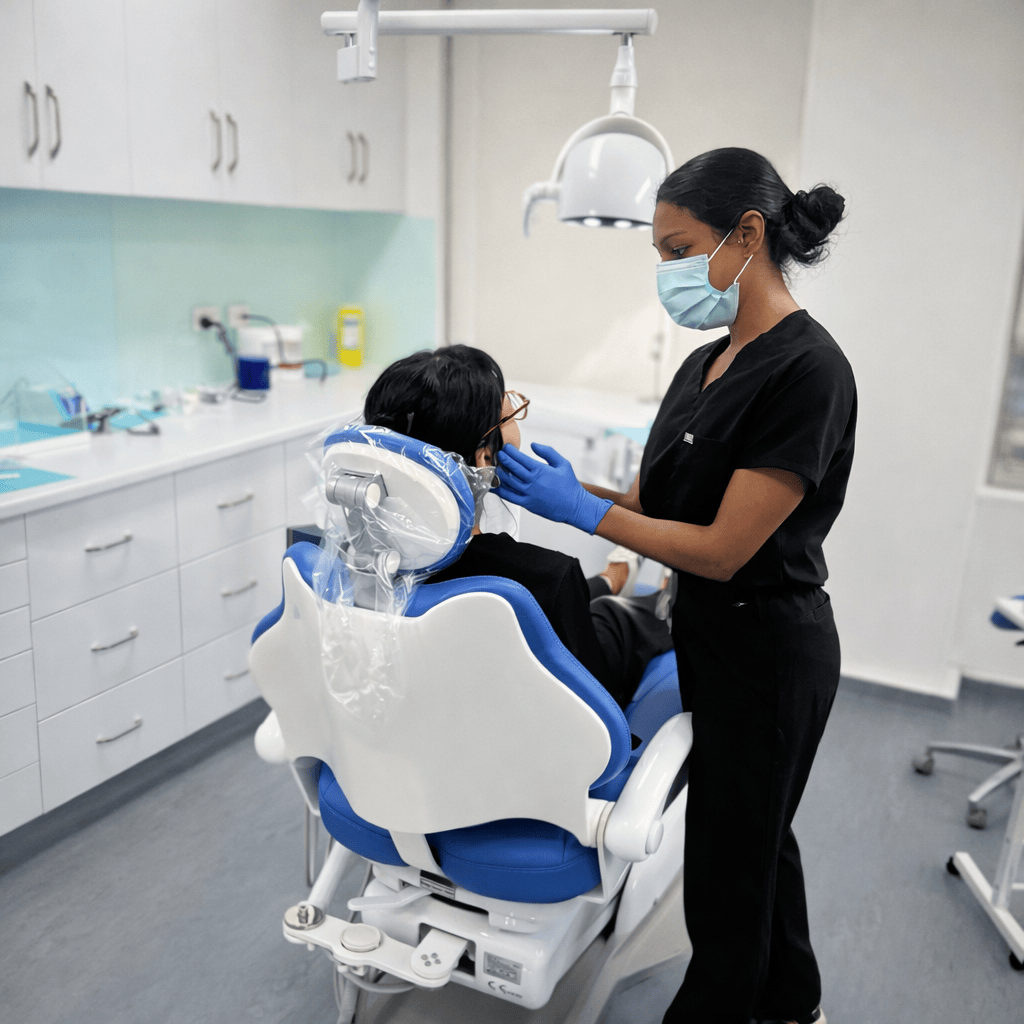
TMJ symptoms can involve several interacting systems, including the jaw joints, muscles, bite function, posture, breathing, and sleep.
Where appropriate, care may involve collaboration between dental and musculoskeletal practitioners within the clinic. This allows assessment findings to be considered together rather than in isolation.
Not every patient requires multidisciplinary care. Recommendations are guided by clinical findings and the individual presentation.
Care plans are reviewed and adjusted over time as symptoms and jaw function change.
Diagnosis comes before treatment
We do not offer isolated treatments. Every recommendation sits within a structured, diagnosis-led care pathway.
Whole-body assessment
We look beyond the jaw, considering posture, muscle tension, breathing, sleep and daily habits to build a clearer picture of what is driving symptoms.
Multidisciplinary care
Your care plan is informed by integrated TMJ expertise, with coordinated input across disciplines when appropriate, rather than treating symptoms in isolation.
Conservative and personalised
Care is staged and adjusted over time. Tools are used when clinically appropriate, based on findings and function.
Patient experiences
Many patients arrive after a long period of uncertainty
Patients often describe feeling heard, understood and clearer about their condition after assessment. Experiences vary, and care is always personalised, but reassurance often comes from understanding what is contributing to symptoms and having a structured plan.


tmj center melbourne - Clinic information
Clear, accessible TMJ care
- Located in Melbourne CBD
- Accepts self-referrals and practitioner referrals
- Telehealth available in limited, appropriate cases
- Care delivered by registered dental and chiropractic professionals
Clarity starts with understanding
If jaw, facial or head pain has been persistent or hard to make sense of, a TMJ-focused assessment may help clarify what is contributing and what your options are.
TMJ Knowledge Centre
Patient Guides