
TMJ Treatments

TMJ treatment is guided by diagnosis, not by symptom names alone.

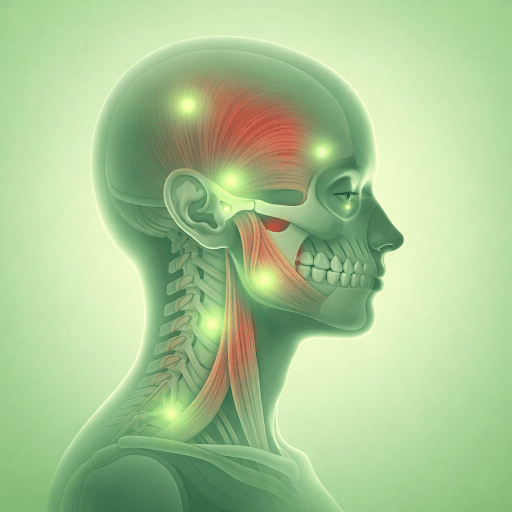
Two people with similar jaw pain may need different approaches. This depends on the jaw joints, muscles, bite, clenching patterns, sleep, posture, and overall health. This page explains the main treatment tools used at TMJ Centre Melbourne as part of a staged care plan.

Diagnosis comes first

Treatment starts with assessment

Before treatment is recommended, the first step is to understand what may be contributing to your symptoms. Assessment may consider jaw joint movement, muscle activity, bite position, clenching or grinding, sleep quality, posture, and related neck or facial pain. Care may involve one treatment or a combination of approaches. It is reviewed and adjusted over time based on symptoms, jaw function, and response to care.

Our approach to TMJ care

TMJ symptoms often involve more than one contributing factor. A care plan may include support for the jaw joints, muscles, posture, sleep, breathing, and daily habits. Where appropriate, care may involve both dental and musculoskeletal assessment.

Our approach is:
  • Diagnosis-led
  • Conservative where appropriate
  • Personalised to your presentation
  • Reviewed over time
  • Coordinated with other providers when needed

Treatment is not a fixed pathway. It is guided by what the assessment shows.

Explore TMJ treatment options

Comprehensive TMJ assessment and diagnosis
Comprehensive assessment evaluates jaw joints, muscles, bite, sleep, and contributing factors. Diagnosis guides care planning and determines which treatments may be appropriate for patients.
Orthotics and splint therapy
Orthotic appliances are custom made devices worn over the teeth to reduce joint strain, support muscle relaxation and stabilise jaw position during sleep periods.
Allied Health Collaboration
Allied health collaboration may involve physiotherapists, sleep physicians, psychologists and practitioners when contributing factors extend beyond the jaw joint. Care is coordinated when needed.
Muscle relaxant injections
Muscle relaxant injections may be considered when overactive jaw muscles contribute to pain, tension or restricted movement. Treatment aims to reduce muscle activity temporarily.
Low-level laser therapy
Low level laser therapy uses specific light wavelengths applied to affected tissues to support cellular repair, reduce inflammation and assist natural healing processes locally.
Targeted Therapeutic Treatments
Targeted therapeutic treatments address specific muscle or joint findings identified during assessment. Techniques may include manual therapy, needling or injection approaches within a plan.
Sleep-related treatment support
Sleep related treatment support addresses breathing disorders and jaw muscle activity that may worsen TMJ symptoms. Assessment may involve sleep physicians and care planning.
Lifestyle and contributing factor guidance
Lifestyle and contributing factor guidance explores habits, posture, stress, sleep patterns and daily behaviours that may influence jaw loading, muscle tension and symptom persistence.

Many factors contribute at once

Why treatment may involve more than one approach

TMJ symptoms often involve a combination of joint strain, muscle overactivity, clenching, grinding, posture, sleep disruption, breathing patterns, and daily habits.

This is why one treatment is not suitable for everyone. A splint, injection, laser therapy, or muscle treatment may be useful in one presentation and not appropriate in another.

Care is planned in stages. It is reviewed over time so treatment can be adjusted as symptoms, jaw function, and contributing factors change.
How treatment connects with symptoms
Treatment planning is clearer when symptoms are understood in context.
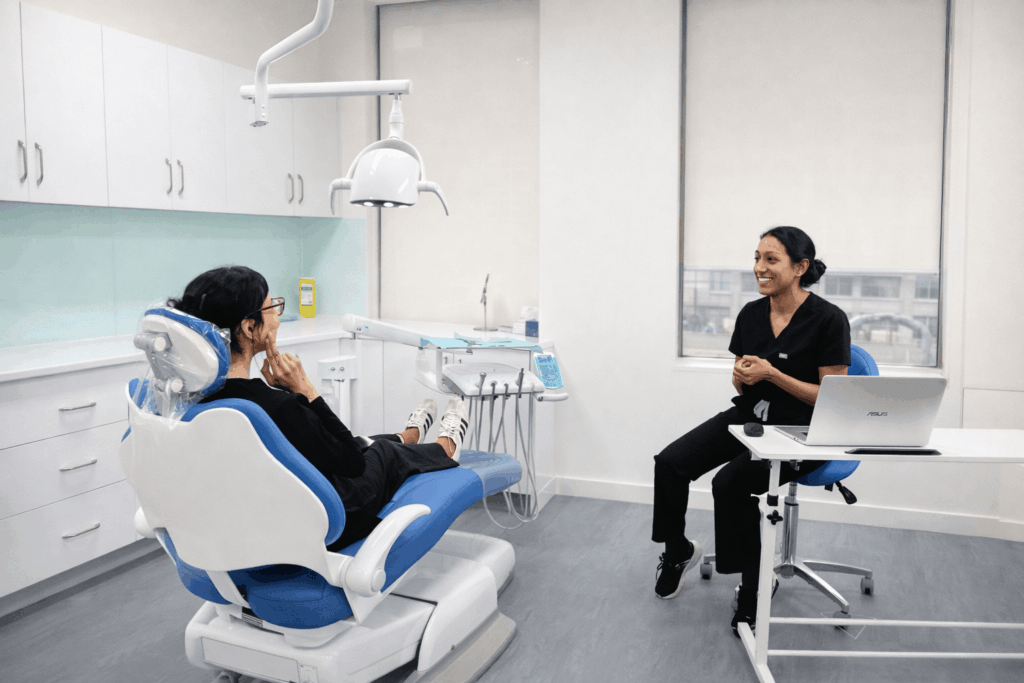
A symptom can help identify what needs assessment, but it does not decide the treatment by itself. Jaw pain, clicking, headaches, facial tightness, or ear symptoms may each have different contributing factors.
You can also explore common TMJ symptoms and related conditions.
Whole-body assessment and integrated care

The jaw does not work in isolation

Jaw function can be influenced by the teeth, muscles, joints, neck, posture, breathing, sleep, stress, and daily habits.

Where clinically appropriate, care may consider both dental and musculoskeletal factors. This may include assessment of jaw mechanics, bite position, muscle patterns, neck function, and broader contributors to pain or dysfunction.

Not every person needs every treatment. The care plan depends on the assessment findings.

The right treatment approach depends on what is contributing to your symptoms

A TMJ assessment can help clarify the role of your jaw joints, muscles, bite, clenching, sleep, posture, and related factors.